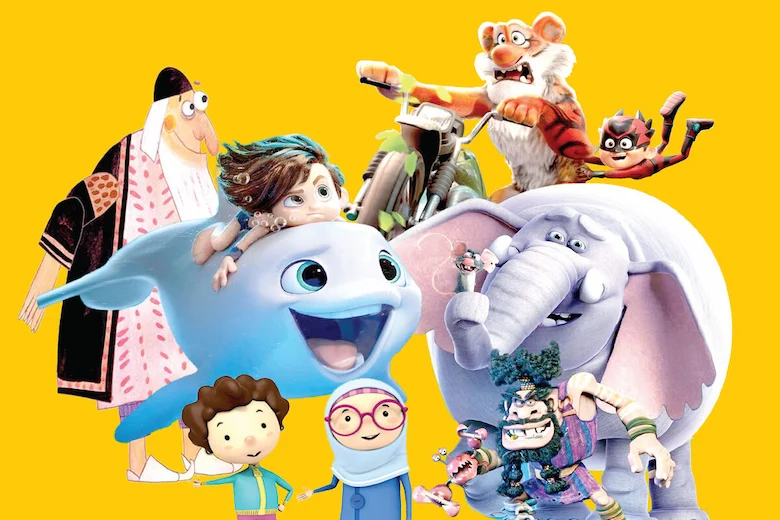
Animation is a world of creativity and imagination that brings inanimate objects to life and tells stories in a visually captivating way. This art, using the illusion of movement, creates a magical experience for audiences of all ages. From the first frames of cinema to today’s complex digital animations, animation has always been evolving and pushing the boundaries of visual storytelling. In this article, we will discuss what animation is, its applications and how it is made. Stay tuned.
What is animation?
Another name for animation is animation, in which still images are displayed one after the other in such a way as to create the illusion of movement. This illusion is based on a psychological phenomenon called (perceptual constancy of motion). This means that the human eye is able to retain images in memory for a fraction of a second after they disappear. By rapidly displaying successive frames that differ slightly from each other, the brain interprets these slight differences as continuous movement. This technique forms the basis of all animation, from hand-drawn cartoons to complex computer special effects, and is a powerful tool for storytelling and expressing ideas.
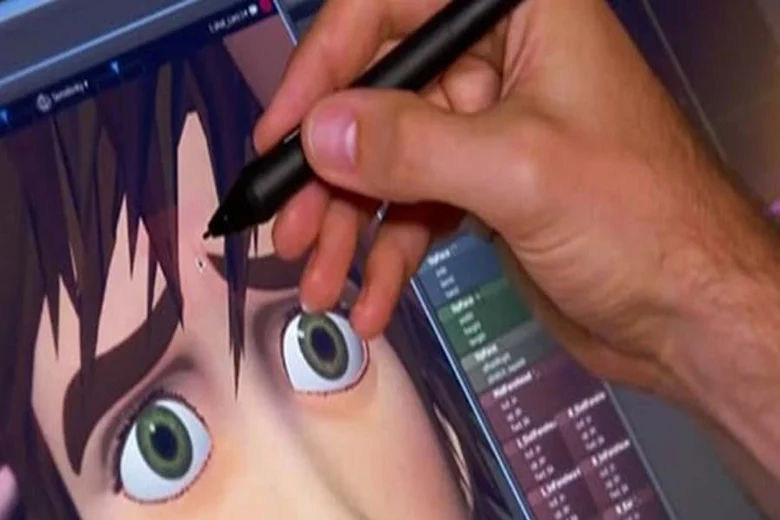
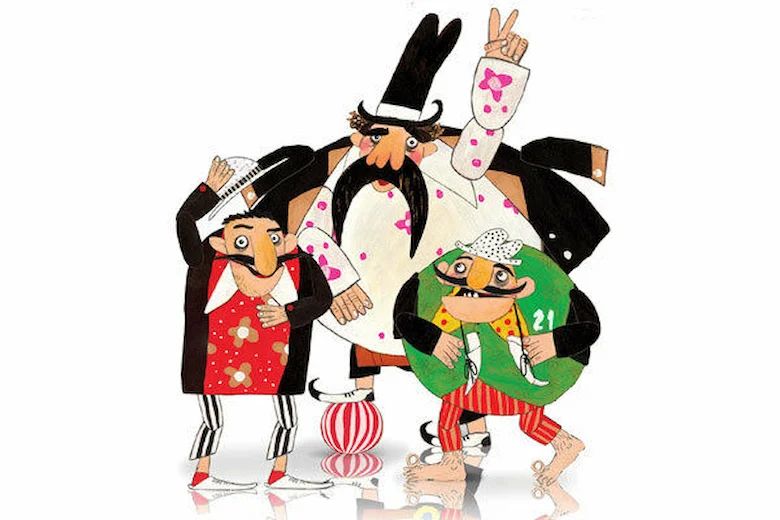
What is the use of animation?
Animation has a wide range of applications in various industries and is not limited to entertainment. This visual art is able to present complex concepts in a simple and understandable way, evoke emotions and convey targeted messages to the audience. Below, we will discuss 6 applications of animation.
Entertainment and cinema
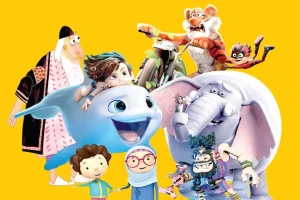
Without a doubt, the most obvious application of animation is in the entertainment industry, especially in film and television. From Disney classics to the modern masterpieces of Pixar and other studios, animation has created memorable characters, imaginative worlds, and compelling stories. The format allows for scenes that would not be possible with real-life filming, transforming imagination into a spectacular reality. The animation industry is the backbone of many blockbuster films and popular television series.
Education and learning
Animation is an incredibly powerful tool for education. Complex scientific concepts, historical processes, or even software training can be presented in an engaging and understandable way using animation. Educational animations can capture students’ attention, increase comprehension, and transform learning from a boring task into an enjoyable experience. This method is very effective, especially for children and teenagers.
Advertising and marketing
In today’s competitive world, creative advertising plays a vital role in the success of brands. Animation allows businesses to present their products and services in an innovative and memorable way. From short promotional videos to explanatory motion graphics, animation can effectively convey a brand’s message and engage audiences. Banner and poster design also add visual interest to marketing campaigns by using moving elements.
Video games
Animation is an integral element in the design and experience of video games. Character movements, special effects, environmental animations, and user interfaces are all created using animation techniques. The quality of animation directly affects the appeal and realism of the game, providing an immersive experience for players. Advances in animation technology have helped create games with stunning graphics and smooth gameplay.
User Interface (UI) and User Experience (UX) Design
In the digital world, animation plays an important role in improving the user interface and user experience of websites and applications. Subtle animations in buttons, menus, and transitions between pages can make using software more enjoyable and intuitive. These animations can also provide useful feedback to the user and make the interaction process smoother. Modern office set design also sometimes uses these visual principles to create brand identity in digital spaces.
Medical and scientific imaging
Animation is very useful for demonstrating complex biological, chemical or physical processes that are not visible to the naked eye. Medical animations can show doctors, students and even patients how the human body works, the progression of diseases or the effects of drugs. This visual approach facilitates the understanding of difficult scientific concepts and aids in scientific research and communication.
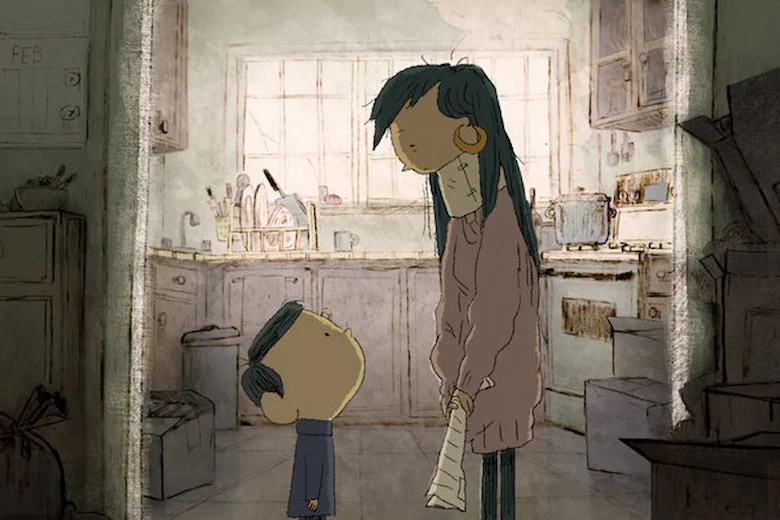
Methods of making animation
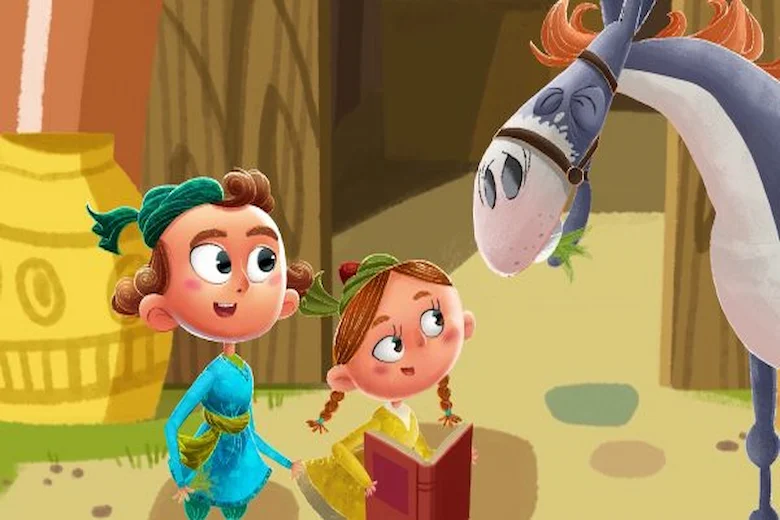
Creating animation is a process that requires creativity, precision, and technical knowledge. There are many ways to create this moving world, each with its own beauty and challenges. Choosing the right method depends on the style, budget, and ultimate goal of the project.
Traditional (manual) animation
Also known as cel animation, this method is the oldest and most basic animation technique. In this method, each frame is hand-drawn onto paper or transparent sheets (cels). These frames are then filmed at high speed, creating the illusion of movement. The process of creating traditional animation is very time-consuming and expensive, as it requires designing and drawing thousands of frames to create a few minutes of animation. However, this method gives the animations a unique, artistic quality.
2D computer animation
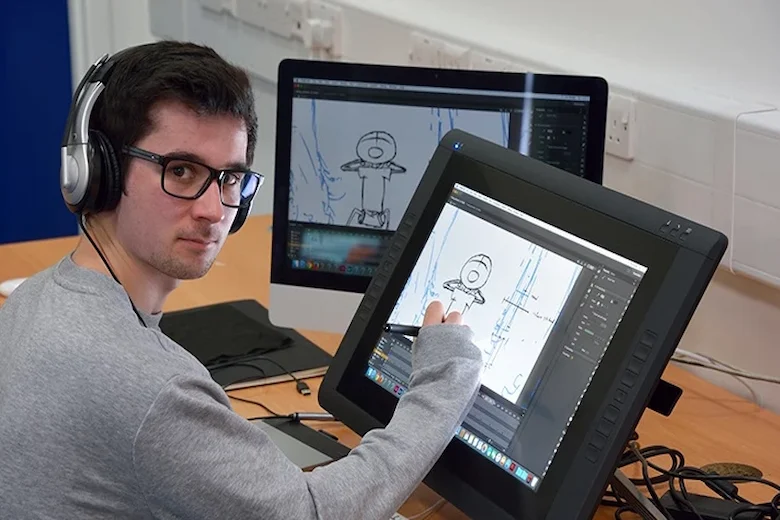
This method is a digital version of traditional animation. Instead of drawing on paper, artists use graphics software to design characters, backgrounds, and frames on a computer. Digital tools streamline the animation process and allow for easier special effects and corrections. Many television animations and some feature films are made using this method today.
3D computer animation
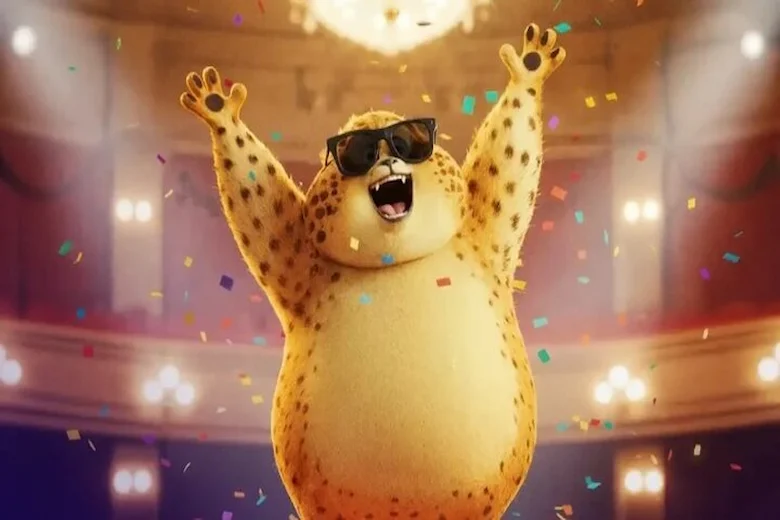
In 3D animation, characters and environments are created and designed as digital models in 3D space. These models are then animated using digital techniques. This method gives the animations incredible depth, realism, and visual detail. Most of today’s top-grossing animated films and cinematic special effects are created using this technique. 3D animated logo design also uses this method.
Stop motion animation
In this technique, real objects (such as dolls, play dough, or cut-out objects) are moved frame by frame with very small movements and photographed. These photos are then displayed in sequence, creating the illusion of movement. Stop-motion animation has a special and unique effect due to its physical and tangible nature. However, this method is also very time-consuming and requires a lot of precision.
Motion Graphics
Motion graphics are animated graphic designs that are often used to convey information, create a visual identity, or add interest to various projects. This type of animation usually includes moving text, geometric shapes, images, and icons, and focuses more on visual and informational aspects than complex storytelling… Motion graphics are widely used in advertisements, film intros, websites, and apps. Modern brochure and catalog design can also benefit from motion graphics elements for added appeal.
Cutout animation
This style is a form of stop-motion animation in which characters and objects are cut out of cardboard, fabric, or other materials and then moved frame by frame. This method can give the animation a cartoonish, two-dimensional look and is often used in educational or children’s projects. This type of animation can be faster to create than traditional animation or stop-motion with 3D figures.
History of animation
The history of animation dates back centuries to human attempts to instill movement in inanimate objects, but its modern form began with inventions such as the zeotrope and the phenalkystoscope in the 19th century. The advent of cinema revealed the true potential of animation. In the early 20th century, pioneering artists such as Emile Kohl and Winsor McKay laid the foundations for classic animation by creating hand-drawn works. The 1930s and 1940s ushered in the golden age of animation with the arrival of studios such as Disney and the development of cel techniques. Then, the transition to computer animation in the final decades of the century revolutionized the industry and led animation towards complex and realistic 3D formats.
Final Words
Animation is an art form that combines science, technology, and creativity to open up a world of visual possibilities. From entertainment and education to advertising and design, its applications are endless. Whether traditionally drawn, brought to life with 3D computer models, or created with stop-motion techniques, animation can evoke emotions, illuminate concepts, and tell stories that transcend the boundaries of reality. With the continuous advancement of technology, the future of animation promises to create more amazing and creative visual experiences that will transform our understanding of storytelling and art.
At Amood Design and Branding Group, we specialize in office set design, banner and poster design, brochure and catalog design, logo design, and other processes related to digital marketing. Dear friends, you can contact us through the communication bridges for more information or to receive a free consultation.