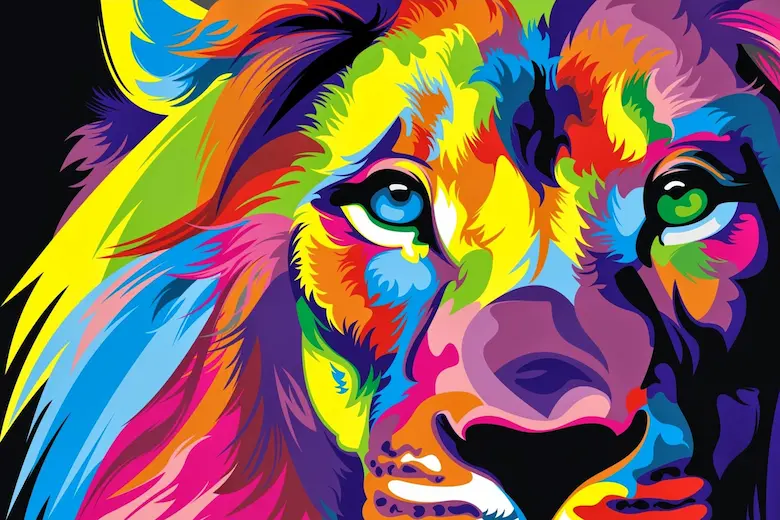
Graphic design is an art that moves on the border between creativity and performance; a visual language to convey message, emotion and concept to the audience. This art is a combination of color, image, typography, space and form to convey meaning in the most beautiful and effective way possible. Using digital tools and visual knowledge, graphic designers can reflect brand characteristics, human emotions and social culture in the form of their designs and works. In today’s world, graphic design is not only a decorative art, but also an effective factor in marketing, advertising and visual communication. Join us for a better and deeper understanding of the principles of graphic design.
Graphic Design Principles
Understanding the principles of graphic design helps designers ensure that their work is not only beautiful, but also functional and impactful. These principles are the rules that guide the combination of colors, shapes, and visual relationships to convey a clear and coherent message to the audience. Following these principles ensures that the graphic design is balanced, organized, and attractive, and guides the audience to the main goal without confusion. Below, we review 10 important principles of graphic design.
Balance
Balance in graphic design refers to the proper distribution of visual elements such as images, colors, text, and space to create a sense of stability and harmony in the design. Balance can be symmetrical, asymmetrical, or radial. In symmetrical design, each side of the design is equal in weight to the other, while in asymmetrical balance, the visual weight of different elements is balanced. The correct use of balance guides the viewer’s gaze in the direction the designer wants and prevents visual clutter. Many brands use precise balance in their logo design to create a sense of trust and convey harmony and credibility at first glance.
Contradiction
Contrast is one of the most effective attention-grabbing tools. Differences in color, size, shape, or texture can create a focal point for the viewer. Contrast helps highlight important parts of a design and convey the main message more clearly. For example, using complementary colors or mixing thick and thin fonts together can create variety and visual excitement. Professional designers know that too much contrast creates chaos and too little contrast creates monotony, so finding a balance in contrast is important.
Coordination
Harmony means the pleasing harmony and fit between the elements of a design. That is, when colors, shapes, and fonts are in harmony with each other, the design appears orderly and beautiful to the viewer. In harmony, each element has its proper place, and the overall feel of the design is uniform and soothing. Harmony is achieved by choosing the right color palette, proportional shapes, and observing logical distances between the elements. The purpose of harmony is to increase visual coherence and maintain the overall beauty of the work.
Repetition
Repetition is an important design principle that helps to reinforce uniformity and visual coherence. The repeated use of specific colors, patterns, or elements gives a design a unique visual identity. Repetition helps the audience connect with the design style and remember the brand more quickly. In office set design, the repetition of a brand color, logo, or specific font is used to maintain harmony across all print and digital elements.
Negative space
Negative space, or white space, is a vital but often overlooked part of design. It allows the design to breathe and focuses the viewer’s eye on the main elements. Negative space is not just (empty) space, but a tool for creating balance, legibility, and order in the design. Designs that use white space well have a more luxurious and professional feel. Sometimes, removing the extras is more effective than adding details.
Typography
Typography is the art of arranging letters to effectively convey a message. The choice of font type, size, line height, and spacing between letters can change the feel and identity of a design. In graphic design, typography reflects not only readability, but also the tone and personality of a brand. Bold fonts convey a sense of power, and handwritten fonts convey a sense of intimacy. Clever use of typography can transform a simple design into a lasting work.
Visual hierarchy
Visual hierarchy determines which part of a design the viewer’s eye will look at first. The importance of each part can be determined through the size, color, contrast, or position of elements. This principle is key to guiding the audience to the main message. For example, in banner and poster design, using a large font for the title and bold colors draws the audience’s attention to the most important part first. Following this principle helps organize the mind and make the content easier to understand.
Balance
Alignment in graphic design refers to the logical and orderly arrangement of elements to create visual connections between different parts. When text, images, and shapes are aligned well, a design has a cohesive structure. Alignment can be left, right, centered, or even grid-like. Designers use imaginary lines and grids to create a hidden order in a design that makes it easier to read and more professional looking.
Golden ratio
The golden ratio is a classic design principle based on natural aesthetics. It is found in nature, architecture, and design. Using the golden ratio allows elements to be placed together in a way that the human eye naturally finds beautiful and harmonious. Many successful logos and graphic compositions are designed with this ratio in mind to achieve perfect balance and harmony.
Emphasis
Emphasis is the process of making the most important part of a design visible first. This principle is achieved through the use of color, size, position, or contrast. In brochure and catalog design, elements such as a brand slogan or product image are often emphasized to capture the attention of the audience. The goal of emphasis is to direct the eye to the point where the main message is located and to avoid confusion.
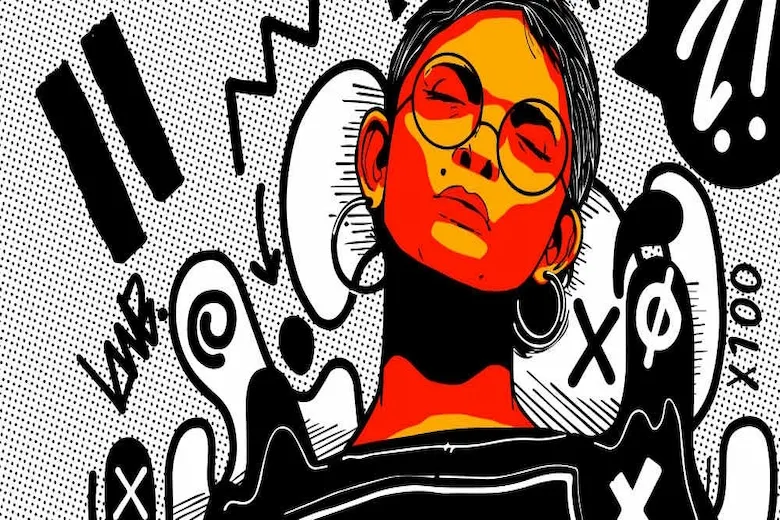

Types of graphic design branches
Graphic design has various branches, each with its own purpose, tools, and style. Understanding these branches helps designers choose the right path based on their interests and expertise. Below, we will mention 6 important branches of graphic design.
Branding design
In this branch, the goal is to create a unique visual identity for the brand. The designer designs identity elements such as the logo, corporate colors, and visual patterns so that the brand is easily recognizable. Branding design is more than just a pretty look; it also expresses the personality, values, and mission of the brand in visual language. All elements from business cards to packaging should be designed in harmony with the visual identity.
Advertising design
This branch includes the design of posters, banners, billboards and online advertising content. The goal of advertising design is to attract attention and encourage the audience to take action. In this type of design, the use of creative images and messages is important for a quick impact. Coordination between visual content and brand message is considered the key to success in advertising design.
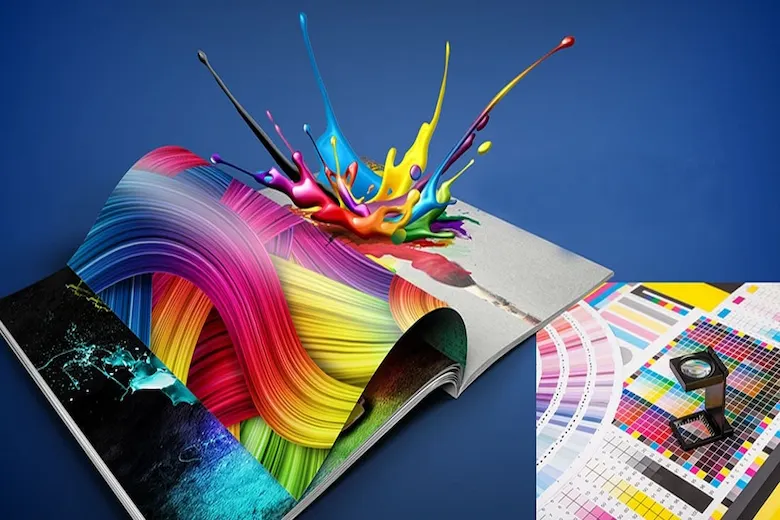
Print design
Print design, such as books, brochures, magazines, and invitation cards, is about producing works that are physically printed. In this field, accuracy in color selection, image resolution, and printing type is very important. Print designers must consider printing standards so that the final output is of high quality and meets expectations. This type of design has long been one of the main foundations of graphics and still maintains its place.
Digital design
Digital design is done with software tools for online and interactive environments. From website and app design to user interfaces (UI/UX), everything falls into this category. In addition to beauty, the designer must also pay attention to user experience, speed, and accessibility. Digital design is now one of the most popular branches of graphics and requires a combination of technical knowledge and aesthetics.
Packaging design
In packaging design, the focus is on the visual appeal of the product and the introduction of the brand identity through the package. A successful package should attract the customer’s attention and be distinguished from similar products. The combination of color, typography and image in this type of design plays an important role in the customer’s decision-making. Packaging design has both an artistic and marketing aspect, as it forms the customer’s first direct contact with the brand.
Environmental design
Environmental design, as a branch, is concerned with the design of physical spaces, such as signboards, wall graphics, store decor, or exhibitions. Environmental design is a combination of architecture and graphics; its purpose is to provide direction, information, or to instill a certain feeling in a space. In this design, scale, light, and color are very important. It is usually used for large, public spaces so that the brand’s visual identity can be experienced in the real environment.
Final Words
The principles of graphic design are the foundation of creativity and order in visual works. Understanding and applying these principles correctly increases the designer’s ability to convey concepts and improves the overall quality of the works. Whether designing for print and digital media or implementing advertising projects, adhering to these principles leads to works that will remain in the minds of the audience. Graphic design is a combination of science, art, and emotion. Thank you for your support.
At Amood Design and Branding Group, we specialize in office set design, brochure and catalog design, banner and poster design, logo design, etc. For more information, just contact us.