

Sustainable interior design is a new and responsible approach to interior design that aims to reduce environmental impacts, optimize energy consumption, and create a healthy and relaxing environment. In this design style, the use of natural, recycled, and low-consumption materials, along with optimizing energy and water consumption, plays a key role. Given the current environmental challenges, the use of sustainable interior design not only helps to preserve natural resources, but also reduces energy costs and increases the quality of life of individuals. Today, in this article, we are going to introduce and review sustainable interior design from 0 to 100. So don’t miss this article and follow us until the end.
What is sustainable interior decoration?
Sustainable interior design refers to the design and layout of interior spaces using materials, methods, and approaches that minimize environmental impact and increase resource efficiency. This type of design emphasizes the principles of sustainability, waste reduction, energy efficiency, and the use of recycled or renewable materials. Sustainable interior design uses paints without harmful chemicals, FSC-certified wood, furniture made from recycled materials, and energy-efficient lighting systems such as LEDs. Other important principles in this design style include natural ventilation, proper insulation, and the use of natural light instead of artificial light.
One of the most important benefits of sustainable interior design is the increased health and well-being of residents. The use of non-toxic, environmentally friendly materials reduces indoor pollutants and improves air quality. In addition, this design style reduces energy and maintenance costs and helps extend the life of equipment and fixtures. To implement a sustainable interior design, it is essential to pay attention to the life cycle of materials, recyclability, and choosing manufacturers that meet environmental standards. Ultimately, sustainable interior decoration not only helps preserve the environment, but also creates a beautiful, relaxing, and modern space to live and work.
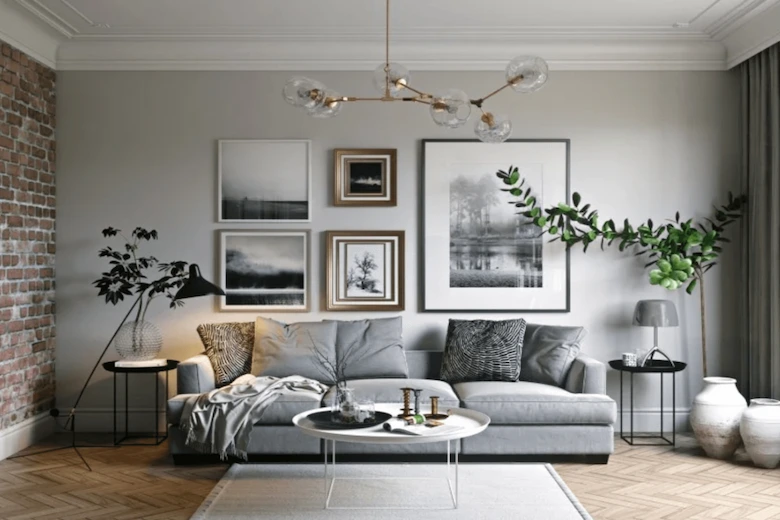
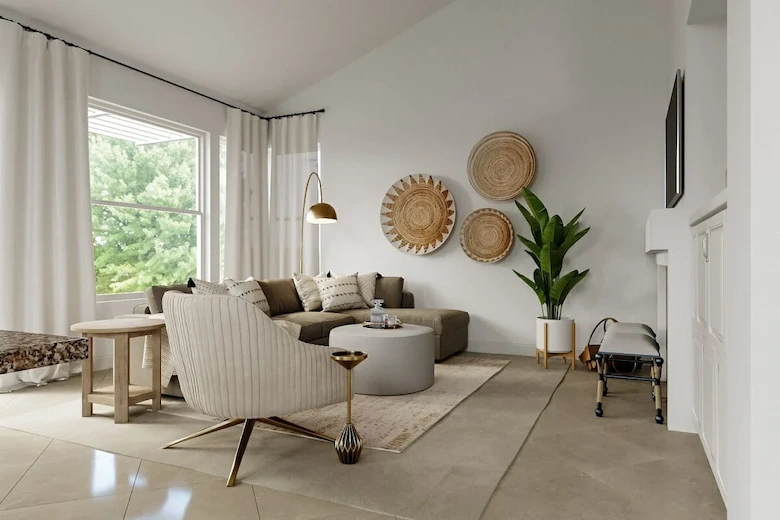
The principles of sustainable interior decoration design
1. Use of natural and recycled materials
One of the most important principles of sustainable interior design is the use of natural and recycled materials that have a lower negative impact on the environment. These materials include FSC-certified woods, natural stones, recycled glass, and organic fabrics such as cotton and linen. Using these materials not only reduces greenhouse gas emissions, but also brings a sense of nature to the interior space. In addition, choosing furniture and flooring that are made from recycled or renewable materials helps reduce waste and increase the durability of the interior design.
2. Energy consumption optimization
Reducing energy consumption is a key goal in sustainable interior design, which can be achieved through a variety of methods, such as utilizing natural light, installing double-glazed windows, and using LED lighting systems. Using light, transparent curtains to maximize sunlight and reduce dependence on artificial light can go a long way in optimizing energy consumption. Also, equipping indoor spaces with smart thermostats and energy-efficient heating and cooling systems can help reduce energy consumption and related costs.
3. Reducing waste and reusing items
Another fundamental principle in sustainable interior design is to reduce waste and reuse old items. Instead of constantly buying new items, you can use second-hand, refurbished or recycled furniture and decor. This approach not only prevents the production of excess waste, but also helps reduce the consumption of natural resources. For example, using old wooden doors to make tables or converting unused windows into decorative shelves are examples of sustainable and creative design.
4. Improving air quality and using non-toxic materials
Using non-toxic, low-odor paints, adhesives, and coatings that have fewer volatile organic compounds (VOCs) plays an important role in maintaining the health of residents. These materials help reduce indoor air pollution and prevent respiratory problems and allergies. In addition, the use of houseplants not only adds to the beauty of the interior, but also improves the quality of the living environment by purifying the air and absorbing harmful toxins. Choosing furniture and flooring that are made from natural materials and free of harmful chemicals is another important strategy for having a sustainable and healthy decor.
5. Flexible and multipurpose design
A sustainable design should be flexible so that it can adapt to different needs over time. Choosing modular and multifunctional furniture, such as folding tables, convertible chairs and wall beds, helps to optimize space and reduce the need for major changes. This increases the lifespan of the furniture and reduces the need to constantly buy new products. Also, designing spaces that can be changed, such as a study that can be converted into a bedroom or living room, helps to increase the efficiency and sustainability of the interior design.
6. Use of smart and sustainable technologies
With the advancement of technology, the use of smart systems in sustainable interior design has become an effective solution to reduce energy consumption and increase comfort. Equipping spaces with light and temperature sensors, smart irrigation systems and automatic curtains helps to optimize resource consumption. In addition, the use of electrical appliances with an A+ energy label and water purification systems can have a positive impact on the environment and reduce energy costs. These technologies, in addition to sustainability, provide greater comfort for residents.
7. Utilizing natural ventilation and proper insulation
Designing spaces that benefit from natural ventilation reduces the need for artificial heating and cooling systems. The use of large, adjustable windows, cross-ventilation, and the installation of appropriate shades help improve airflow and reduce overheating. Also, proper insulation of walls, ceilings, and floors prevents energy waste and reduces heating and cooling costs. The use of materials such as rock wool, cork, and natural insulation foams in interior design plays a significant role in increasing sustainability and reducing energy consumption.
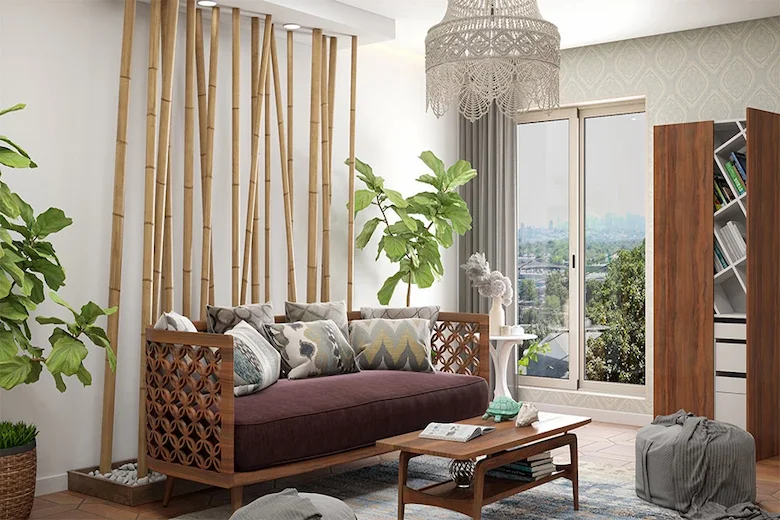
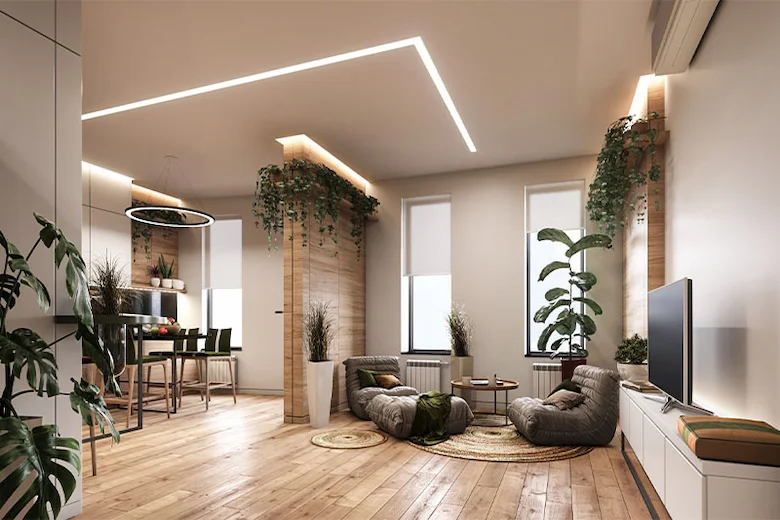
Benefits of sustainable interior design
1. Reduce energy consumption and related costs
One of the biggest benefits of sustainable interior design is reduced energy consumption, which in turn reduces electricity, heating and cooling costs. Using LED lighting, double-glazed windows, proper insulation and natural light reduces the need for energy-intensive appliances. This approach not only reduces electricity and gas bills, but also helps conserve energy resources and reduce the harmful impact on the environment. Also, using energy-efficient appliances with high energy ratings helps optimize energy consumption and extends the life of appliances.
2. Improving air quality and residents' health
Sustainable interior design using non-toxic and natural materials improves indoor air quality and prevents respiratory problems, allergies and chemical-related illnesses. Low-VOC paints, furniture made from natural wood and flooring without harmful substances are among the elements that help reduce air pollution. In addition, the use of air-purifying plants such as sansevieria and ficus in decoration leads to increased oxygen and reduced pollutants in indoor spaces. As a result, residents will benefit from a healthier and more refreshing environment.
3. Reducing waste and protecting natural resources
One of the fundamental principles of sustainable interior design is the use of recycled and renewable materials, which helps reduce waste and conserve natural resources. For example, using recycled wood, organic fabrics, and recycled glass reduces the amount of waste from construction and remodeling. This process helps prevent deforestation, reduce water and energy consumption, and minimize environmental pollution. In addition, reusing old furniture and appliances, or turning them into new products, is a smart way to reduce resource waste and extend the life of your appliances.
4. Increase the lifespan and durability of the decoration
Sustainable interior design, instead of using cheap and short-lived materials, uses materials that are durable and resistant to environmental conditions. For example, using wood floors with a protective coating, natural stones and furniture with wear-resistant coatings, increases the useful life of the decoration and reduces the need for constant repair and replacement. This not only contributes to reducing long-term costs, but also reduces waste and conserves natural resources. As a result, spaces designed with sustainability principles remain beautiful and functional for many years.
5. Create a relaxing and inspiring space
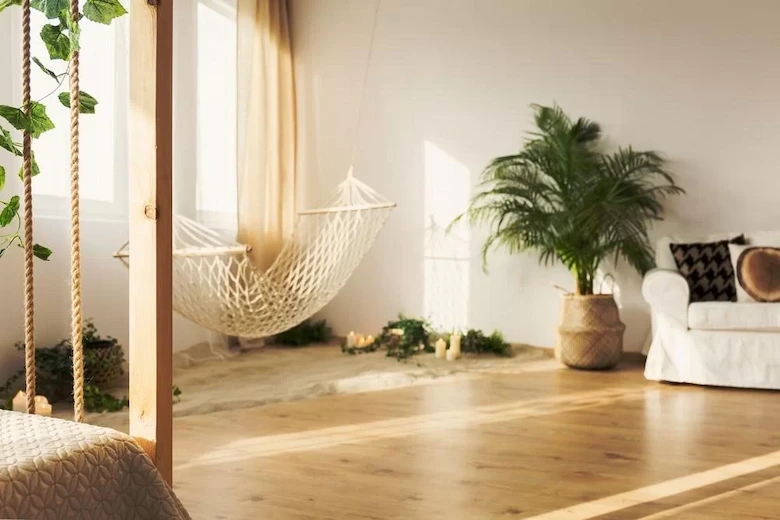
Sustainable interior design, using natural elements, soft colors, and harmonious layouts, creates a relaxing and pleasant environment that has a positive effect on people’s mood and mental health. The use of natural light, green plants, wood, and natural fabrics increases the sense of warmth and intimacy in the space and helps reduce stress and anxiety. In addition, designing multifunctional and flexible spaces in sustainable design increases the efficiency of the environment and creates a sense of balance and harmony in everyday life. This design style is not only environmentally beneficial, but also provides a pleasant and inspiring space for work and life.
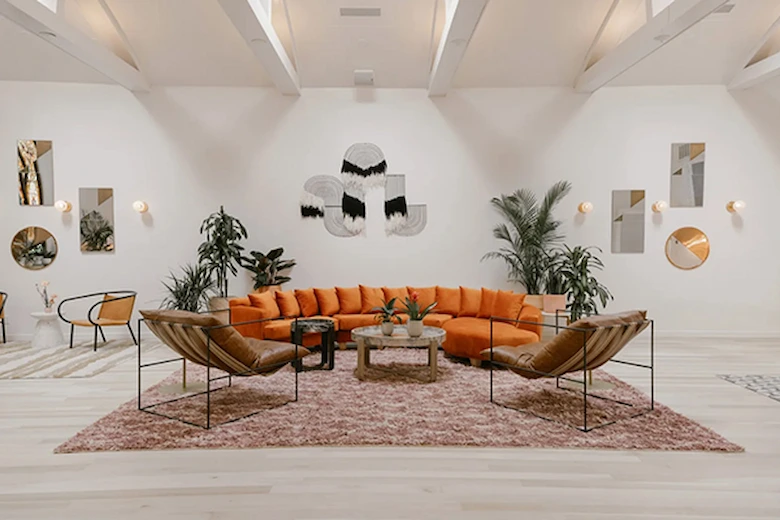
The most important equipment in sustainable interior decoration
1. Double-glazed and insulated windows
One of the most important equipment in sustainable interior decoration is the use of double-glazed and insulated windows, which play a significant role in reducing energy waste. These windows help reduce energy consumption for heating and cooling by preventing heat from entering in the summer and leaving in the winter. These types of windows are also soundproof and increase the comfort in indoor spaces. The use of light curtains and smart curtains that control the amount of natural light, along with these windows, increases energy efficiency and has a positive effect on sustainable decoration.
2. Energy-efficient LED lighting systems
Lighting is a key element in sustainable interior design, and using energy-efficient LED bulbs can significantly reduce electricity consumption. In addition to having a long lifespan, these types of bulbs produce less heat, thus helping to reduce the need for cooling systems. Also, using smart lighting systems, such as motion sensors and dimmers, can optimize energy consumption. Choosing lights made from recycled or natural materials can also be effective in increasing the sustainability of interior design.
3. Natural and recycled flooring and wall coverings
Choosing the right flooring and wall coverings is another important aspect of sustainable interior design. Using natural materials such as bamboo, cork, natural stone, and recycled ceramics can help reduce environmental impacts. These materials are not only beautiful and durable, but also long-lasting and resistant to wear and moisture. In addition, using carpets and rugs made from natural fibers such as wool and linen helps reduce chemical pollution in the indoor environment and improves indoor air quality. For this purpose, you can use wooden acoustic wall covering, wooden thermowall, and thermowood.
4. Non-toxic paints and wall coverings
In sustainable interior design, it is important to choose paints and wall coverings that are free of volatile organic compounds (VOCs). Water-based paints, recyclable wallpapers, and natural gypsum coatings are examples of sustainable options for walls. These products help reduce toxic emissions into the indoor environment and improve air quality. In addition, natural paints, such as those made from clay or lime, in addition to creating a beautiful effect, also help regulate humidity and prevent the growth of mold and mildew.
5. Furniture made from sustainable materials
Furniture selection is a key aspect of sustainable interior design. Using furniture made from FSC-certified wood, recycled materials, and reusable metals reduces the consumption of natural resources and prevents unnecessary waste. Also, furniture with modular and multifunctional designs, such as folding tables and convertible chairs, can optimize interior space and reduce the need to purchase additional items. Using organic fabrics and furniture upholstery without harmful chemicals also plays an important role in maintaining the health of residents.
6. Plants and green walls
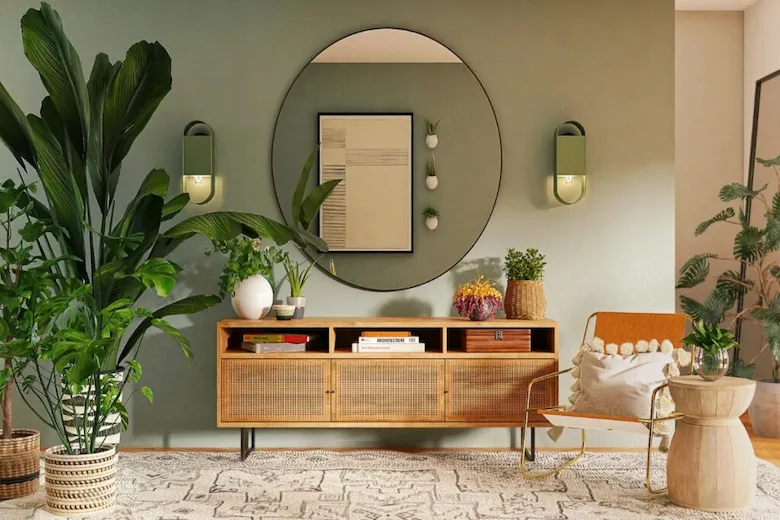
Plants play an important role in sustainable interior design, as they improve air quality, increase humidity, and reduce chemical pollutants in indoor spaces. Using pots made from recycled materials and placing plants in strategic locations throughout the space contributes to the beauty and functionality of the environment. Green walls, which include vertical plant coverings, are a modern and effective solution for purifying the air, reducing indoor heat, and increasing visual appeal in sustainable decoration. Plants such as Sansevieria, Ficus, Pothos, and Spathiphyllum are very suitable for indoor spaces and are easy to maintain.
7. Water management systems and water-saving equipment
In sustainable interior design, reducing water consumption is of particular importance. The use of low-flow faucets, low-pressure showers, and gray water recycling systems help optimize water consumption. Also, installing dual-flush tanks that allow for regulation of water consumption plays an important role in reducing water waste. Along with these equipment, the use of native and low-water plants in interior design also helps save water and reduce the need for constant irrigation.
Final Words
As you can see, we have thoroughly introduced sustainable interior design. We have come to realize that sustainable interior design is not only a smart choice, but also a necessity for a greener and healthier future. By utilizing sustainable equipment and principles such as double-glazed windows, LED lighting systems, natural flooring, recycled furniture and water management systems, we can create a space that, in addition to being beautiful and comfortable, has the least negative impact on the environment. Also, this design style has a direct impact on the physical and mental health of residents and improves indoor air quality, reduces noise pollution and increases energy efficiency. Given the wide range of benefits that sustainable interior design brings, its promotion and use can be an effective step towards sustainable development and the protection of natural resources for future generations.
Amood Design and Branding Group specializes in branding and digital marketing, and its specialized activities include office set design, banner and poster design, brochure and catalog design, logo design, etc. Dear friends, you can contact us through communication bridges for more information and free consultation.